
How countries attempt to restart, this tool tracks COVID-19's path across Europe
How countries attempt to restart, this tool tracks COVID-19's path across Europe

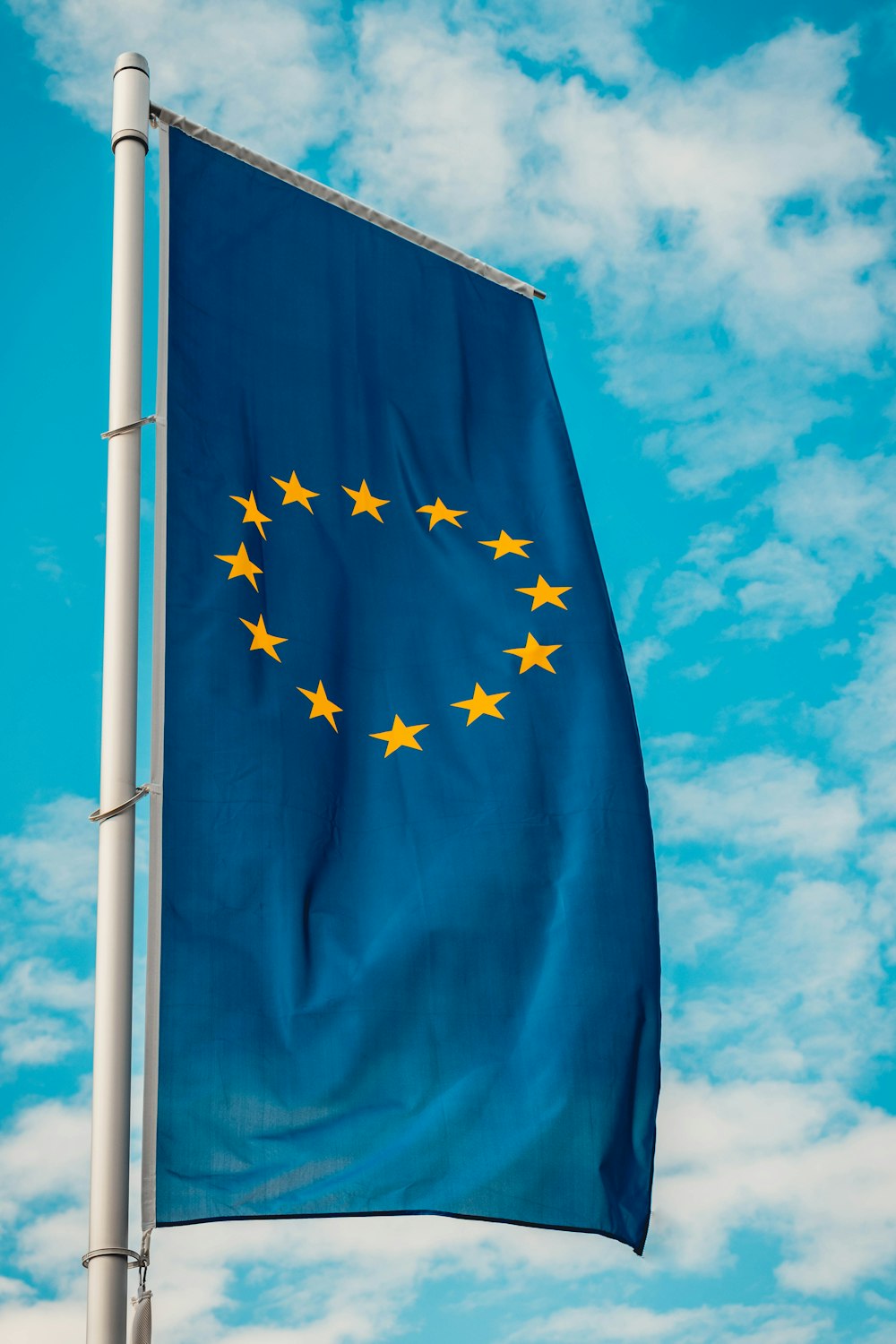
blue and yellow stars flag on pole

Europe is starting down an uneven road to recovery.


Denmark is reopening society more quickly than anticipated, and Switzerland is eyeing the easing of emergency measures. At the same time, France has extended its lockdown period and the UK has said its restrictions will remain in place for the foreseeable future – as those countries continue to suffer dearly from the fallout of COVID-19.

The background for this disparity has been disagreement over matters including whether to jointly issue debt to fund Europe’s collective rehabilitation.

Europe’s patchy attempted return to normalcy might make retracing the coronavirus’s path across individual countries in the region instructive. The World Economic Forum has built a visual tool that offers a closer look at the spread of confirmed cases within several European nations.

For example, Italy, which has seen a north-south regional divide in terms of reported cases, has Europe’s highest cumulative death toll. Still, a limited number of shops in the country have been allowed to reopen.
white and red cross flag in front of snow covered mountains
In neighbouring Switzerland, the government announced measures including a ban on gatherings of more than five people in March but has been criticized for its targeted approach to testing. The number of confirmed cases in cantons including Italian-speaking Ticino and French-speaking Geneva far exceed those in some German-speaking cantons further north.

Spain has also seen a sharp disparity among regions in terms of confirmed cases. While the country’s death toll is second in Europe only to Italy, it has allowed some businesses to reopen, including those in construction and manufacturing.

Europe’s cautious moves towards re-establishing normalcy come after a disconcertingly rapid outbreak. The tracker tool also includes an illustration of the timing between first-reported cases in Europe and subsequent spikes in reported cases.

More detailed info is available here: https://www.weforum.org/agenda/2020/04/covid-19-this-tool-tracks-coronavirus-path-in-europe/

Comments

Popular posts from this blog

Italy: Firms shake lockdown using shortcut in coronavirus law

Italy: Firms shake lockdown using shortcut in coronavirus law The government last week extended non-essential business closures to May 3. But more than 100,000 mainly small- and medium-sized companies have applied to keep going or partially reopen. In principle, a key hurdle for companies to do business should be that they can prove they are part of a supply chain to businesses that are deemed “essential” in a government decree, such as food, energy or pharmaceutical companies. But the government, facing a backlog of applications, has clarified Italy’s lockdown laws to say no companies need to wait for government approval to go ahead. More than 105,000 firms have applied to be considered part of essential supply chains, the interior minister said on Wednesday, in a guideline on its website to clarify the lockdown rules. Of those, just over 2,000 have been turned down and told to suspend their business. More than 38,000 are being investigated and the rest are waiting to be...

Italy’s small businesses scrap for survival

Italy’s small businesses scrap for survival Three years ago, this owner of a small business in Italy’s industrial Veneto region lost his life savings, when two regional banks failed after the European debt crisis and were wound down, wiping out shareholders. Today, he is struggling with a new torment: the outbreak of coronavirus in northern Italy that has devastated lives and shut businesses across the region since mid-March. His company’s revenues have dried up even as his overheads remain unchanged. “I am scared for the future,” he said. Many companies rely on local banks for funds and do not have bonds or investors to draw on Northern Italy is home to more than 2m businesses, according to Prometeia, a research and consulting firm. Lombardy, the region around Milan that has been in lockdown since mid-March, has more than 900,000 of them. Andrea Guerra, a former chief executive of Italian eyewear multinational Luxottica and government adviser who is advising small bus...

thechronicleherald.ca: France to tighten controls on non-EU foreign investment

thechronicleherald.ca: France to tighten controls on non-EU foreign investment Currently non-European investments in French companies do not need government approval as long as the stake is 25% or less. PARIS (Reuters) - The French government will tighten restrictions on foreign investments from outside Europe in French companies to limit foreign control over strategic sectors and technologies, the finance minister said on Wednesday. The government already at the start of the year tightened controls on non-European foreign investments, in particular by lowering the threshold for state-vetting to 25% from 33% previously. Le Maire also said that he would add biotechnology companies to a list of sectors that requires government approval for an investment from outside Europe to go ahead. "In this period of crisis, some companies are vulnerable, some technologies are fragile and could be bought by foreign competitors at a low cost. I won't let it happen," Le Mai...